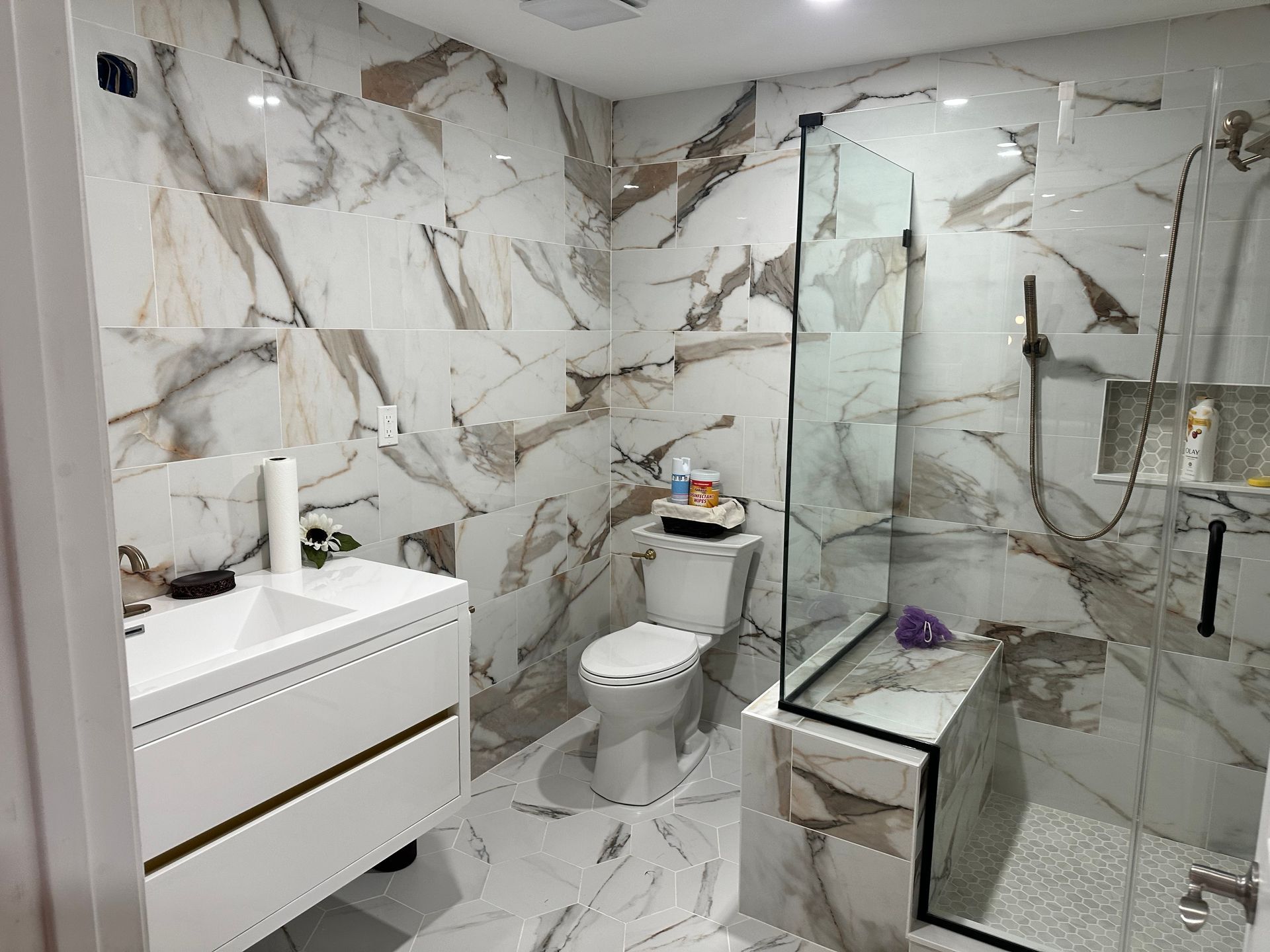
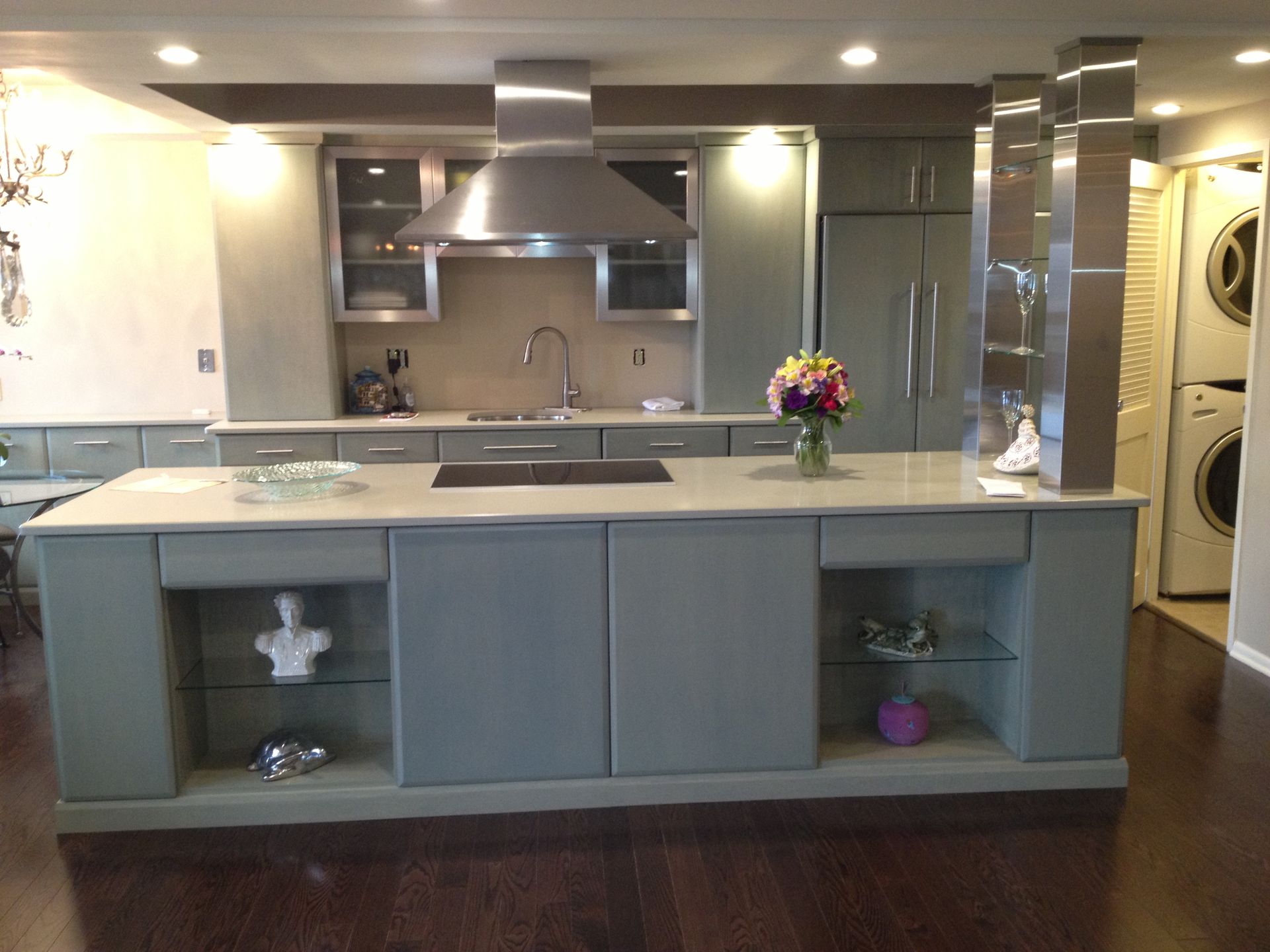
Design inspiration
A folder of beautiful rooms is a useful beginning, but it does not always explain what you want for your own home. The next step is to identify the details behind the appeal and connect them to your space, routines, and priorities.
1. Choose a small set of references
Select three to five images that represent your strongest preferences. For each image, write one sentence about what you like: the contrast between cabinets and counters, the warmth of the flooring, the lighting, or the way storage is arranged.
Be equally clear about what you do not want to copy. You might like a room’s colors but prefer a smaller island, or enjoy an open shelf detail while needing more enclosed storage. These distinctions are more useful than asking for the whole room to be reproduced.
2. Compare inspiration with the existing space
Take current photos from each doorway and note the elements that will remain. Consider ceiling height, windows, doorways, adjoining rooms, and existing finishes. A reference photograph cannot show whether the same layout will fit or whether structural and service changes would be needed.
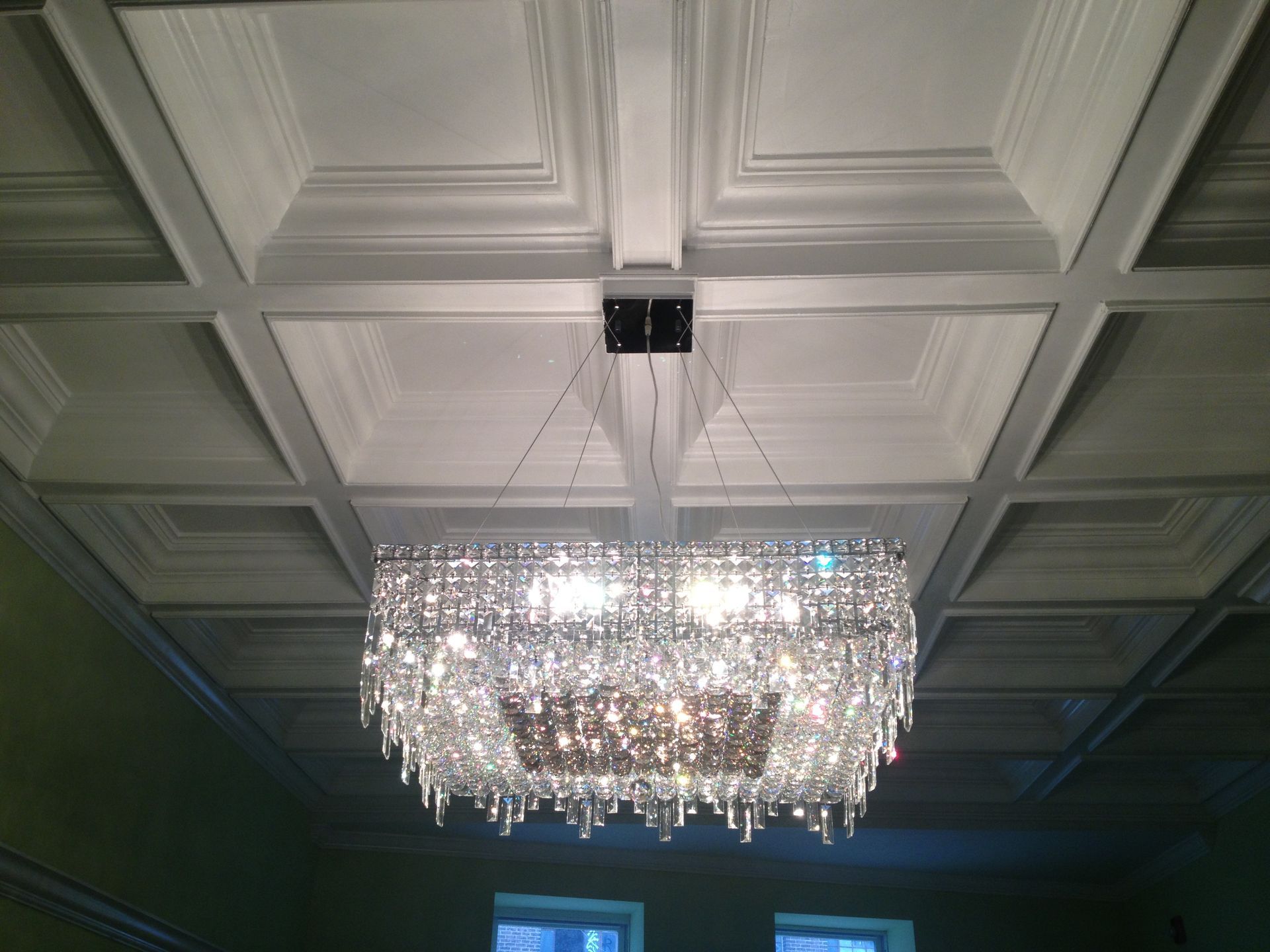
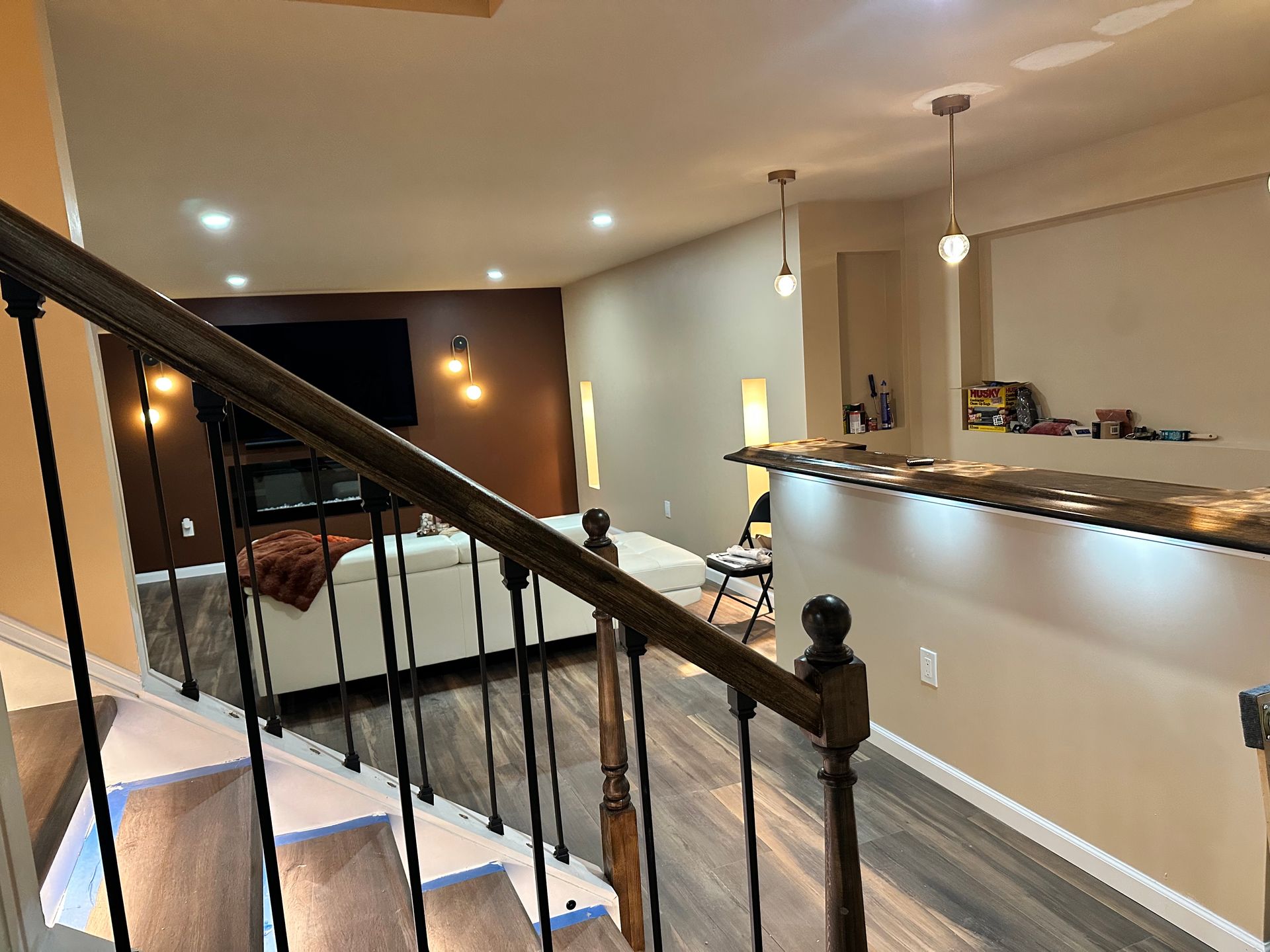
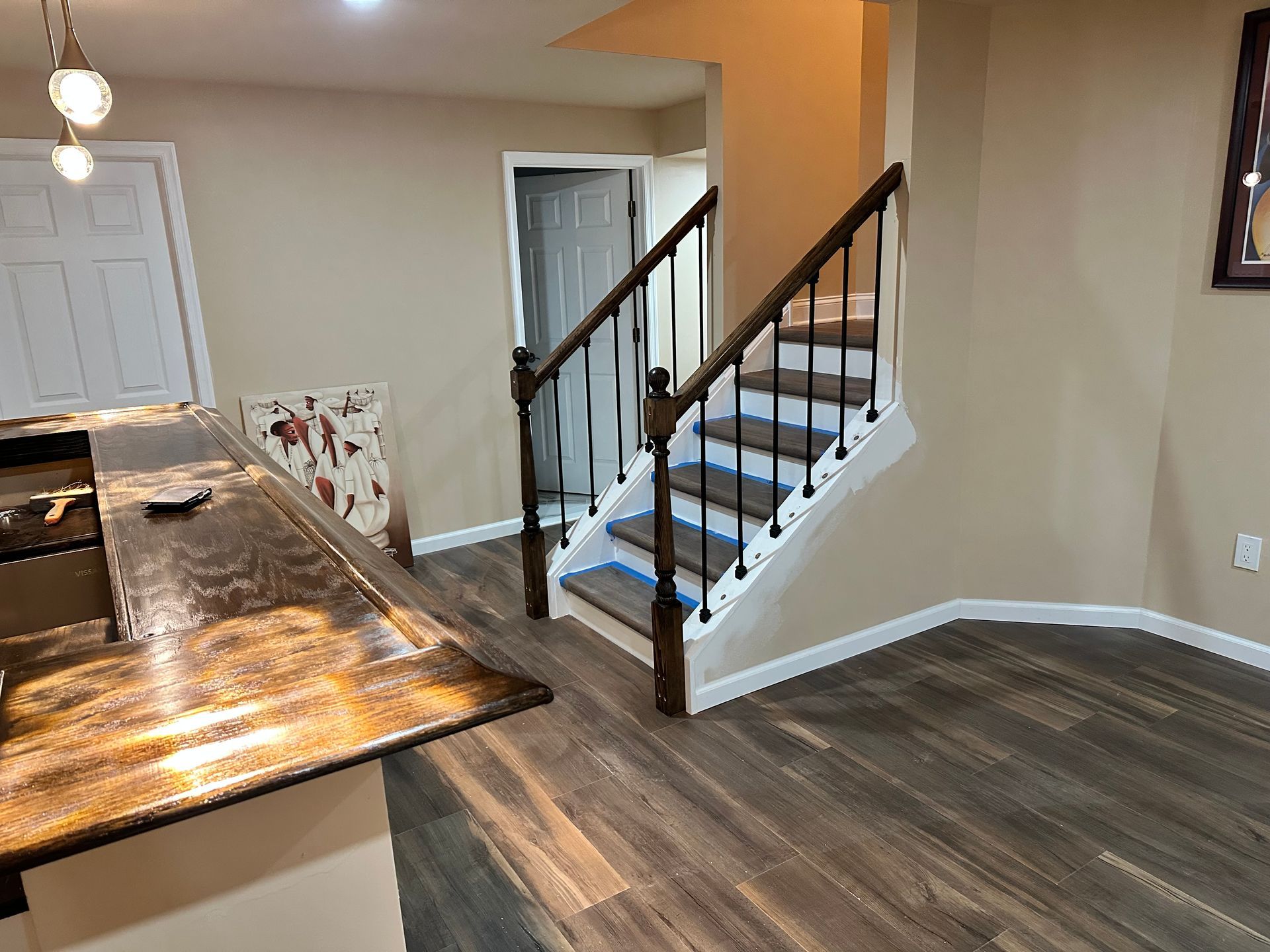
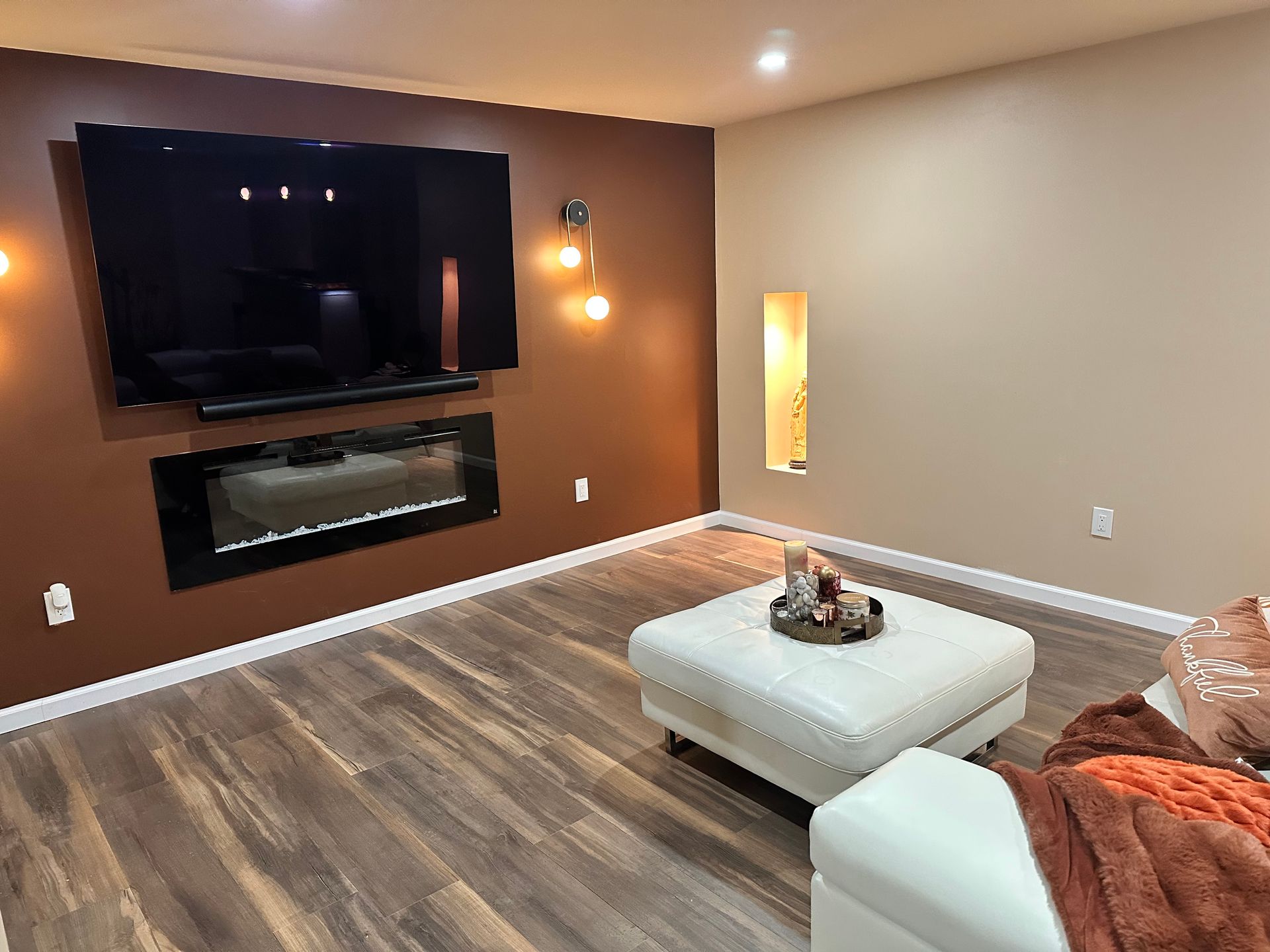
Use our real project gallery to discuss individual details. The gallery includes completed spaces, work in progress, and labeled before-and-after images. Treat each as a conversation starter, rather than assuming every image represents the same project or scope.
3. Build a small, connected material palette
Start with the largest or least flexible finish: perhaps a floor you are keeping or a cabinet color you have already chosen. Compare other samples alongside it. View them in the actual room during daylight and with the lights you normally use.
Check more than color. Discuss texture, cleaning requirements, product suitability, and how edges and transitions will be finished. Read the manufacturer’s care information before choosing a material. A photograph can communicate style, but an actual sample makes the conversation more specific.
4. Write a one-page brief
Summarize the desired feeling in plain words—warm, bright, calm, or easy to maintain—then connect it to practical choices. Keep must-haves separate from ideas you would like to explore.
- The space you want to improve and why
- Three priorities for everyday use
- Existing elements to keep
- A few labeled inspiration images
- Materials or colors under consideration
- Open questions, preferred timing, and property town
You do not need a finished design to start a conversation. NexGen Property Care works from Townsend, Delaware, with projects in nearby communities considered by location and scope. Explore the kitchen renovation and bathroom renovation pages, or share your ideas and request a free estimate.